Clinic Blog

What is Acupotomy or Knife Needle?

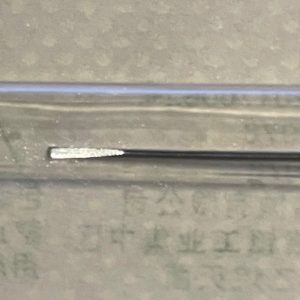
Acupotomy, also known as “knife-needle” therapy or Knife needle / Dao needle / Dao needle therapy / 針刀 / 小針刀, is a technique used in traditional Chinese medicine (TCM) that involves the use of a small needle-shaped knife to cut and release adhesions or scar tissue in the body. The technique is based on the theory that when tissue in the body becomes damaged or inflamed, it can create adhesions or scar tissue that can interfere with the flow of Qi and blood and cause pain and other health problems. During an acupotomy treatment, a thin, needle-shaped knife is inserted into the skin and used to make small incisions along the affected area. The knife is then used to gently scrape and release the adhesions or scar tissue, which can help to improve the flow of Qi and blood and reduce pain and inflammation. Acupotomy is often used to treat […]

How does Acupuncture help with pain?

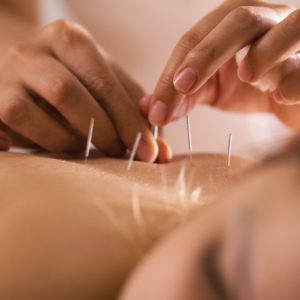
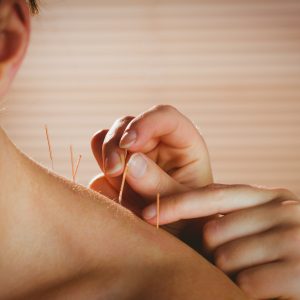
Acupuncture is a traditional Chinese medicine technique that involves the insertion of thin, sterile needles into specific points on the body. While the exact mechanisms by which acupuncture works are not fully understood, several theories have been proposed to explain its effects on pain. One theory is that acupuncture stimulates the release of endorphins, which are the body’s natural pain-relieving chemicals. Endorphins can help to reduce pain and promote a sense of well-being and relaxation. Acupuncture may also help to reduce inflammation in the body, which can contribute to pain and other health problems. Some research suggests that acupuncture can help to regulate the immune system and reduce the production of pro-inflammatory chemicals. Acupuncture may also help to regulate the nervous system, which can play a role in pain perception. By stimulating specific acupuncture points, acupuncture may help to balance the sympathetic and parasympathetic nervous systems, which can help to […]

Does Acupuncture Hurt?

Acupuncture is generally considered to be a safe and painless procedure when performed by a licensed and trained practitioner. However, some people may experience mild discomfort or a brief sensation when the needles are inserted. The sensation is often described as a mild tingling or dull ache, and typically lasts only a few seconds. Many people report feeling a sense of relaxation or mild euphoria after the needles are in place. It’s important to note that the sensation of acupuncture can vary depending on the individual and the specific acupuncture points being used. Some points may be more sensitive than others, and some people may be more sensitive to the needles than others. If you have concerns about the sensation of acupuncture, it’s important to talk to your practitioner before the treatment. They can explain the procedure in more detail and help you understand what to expect. They may also […]

What is Qi?

Qi (also spelled “Chi” and pronounced “chee”) is a central concept in traditional Chinese medicine and martial arts. It is a vital energy or life force, or potential force that is believed to flow throughout the body, connecting and animating all aspects of the human system. In traditional Chinese medicine, Qi is believed to circulate along pathways called meridians, which correspond to different organs and bodily functions. When Qi is flowing smoothly and in balance, the body is believed to be healthy and in a state of harmony. However, when Qi is blocked, deficient, or imbalanced, it can lead to physical or emotional symptoms and illness. Qi is also a key concept in martial arts, where it is seen as a source of power and focus. Practitioners of martial arts seek to cultivate and harness Qi through various techniques such as meditation, breathing exercises, and physical movements. While the concept […]

What is Cupping?

  • acupuncture in toronto

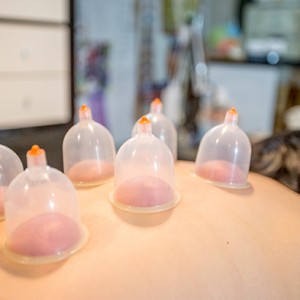
Cupping is a traditional Chinese medicine practice that involves placing glass, silicone, or plastic cups on the skin and creating a vacuum or suction by heating the air inside the cup or using a mechanical pump. The suction pulls the skin and underlying tissues up into the cup, creating a tight seal. The theory behind cupping is that it can help promote the flow of Qi and blood in the body, which can help to alleviate pain, promote relaxation, and stimulate the immune system. Cupping is often used to treat conditions such as muscle pain, back pain, headaches, and respiratory issues such as coughs and asthma. Cupping is believed to work by creating a local suction that helps to increase blood flow to the affected area, which can help to relieve pain and reduce inflammation. It is also thought to help stimulate the lymphatic system, which can help to eliminate […]

What is Traditional Chinese Medicine?

Traditional Chinese medicine (TCM) is based on the belief that the body is a complex system of interconnected parts that work together to maintain health and balance. This system includes the organs, meridians, Qi (pronounced “chee”), and other bodily functions. TCM practitioners believe that illness and disease are caused by imbalances or blockages in the flow of Qi. This can be due to a variety of factors, including stress, poor diet, lack of exercise, environmental factors, and emotional issues. To address these imbalances, TCM practitioners use a variety of techniques and therapies, including acupuncture, herbal medicine, dietary therapy, massage, and mind-body practices such as tai chi and qi gong. Acupuncture involves inserting thin needles into specific points on the body to stimulate the flow of Qi and help restore balance. Herbal medicine uses natural substances such as roots, bark, and leaves to treat various conditions. Dietary therapy involves making changes […]

What is Acupuncture?

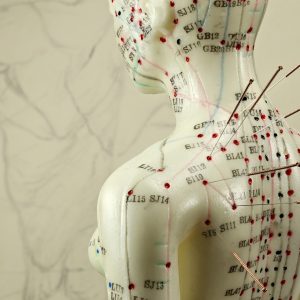
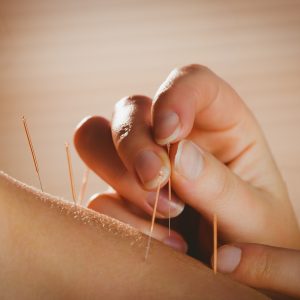
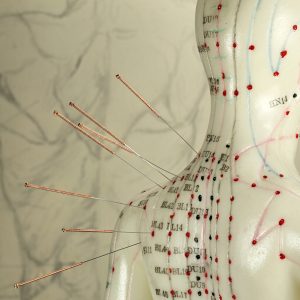
Acupuncture is a traditional Chinese medicine practice that involves inserting thin needles into specific points on the body. These needles are typically made of stainless steel and are about as thin as a human hair. The theory behind acupuncture is that the body has channels of energy called meridians, and by inserting the needles into certain points along these meridians, the energy flow can be rebalanced. This is believed to help alleviate a wide range of conditions, including pain, nausea, anxiety, and insomnia. The needles used in acupuncture are typically left in place for several minutes to an hour, during which time the patient may feel a slight tingling or dull ache. After the treatment, some people report feeling relaxed and energized. Acupuncture is generally considered safe when performed by a licensed and trained practitioner. However, it may not be suitable for everyone and should not be used as a […]

5 Lessons Learned After Studying Osteopathy, Chinese Medicine and Acupuncture

When I set out on my Chinese Medicine educational journey, I could have never imagined where it would lead me…   After all, I was just a high-schooler whose own Chinese Medicine practitioner decided to take me under her wing.   My studies led me to Beijing, then back to Toronto, and eventually led me to open up my own practice. I was able to meet and learn from the most renowned and respected practitioners in the industry.   It also kickstarted my deep study in Osteopathy.   Unlike many Chinese Medicine practitioners or Acupuncturists, I have specialized knowledge in all three disciplines. Because having the unique ability to pull from multiple bodies of knowledge allows me to fill in the gaps when needed. This means I can serve you better and puts me in the best position to help you optimize your health.   Over the years, I have […]

How to detect pain… Part 2!

A lot of my patients ask me, “How do you know where the pain is?” Picture this: You are standing in front of a large table topped with a cloth. Blindfolded. You’re asked to hold the two corners of the table cloth and create a wave – just like when you were a kid with the parachute. Even though you can’t see the cloth move, you can feel that it’s making a big wave with ease. Then imagine a cup of water is placed on top of the cloth. And you’re asked to do the same thing. But when you try to create the wave, you no longer feel the ease. Instead, there is an obstruction. And the air beneath the wave has to flow around the obstruction to get to the other side. This is exactly how injury works in the human body. Think of the table cloth as […]

Accidental Acupuncturist by Everyday Acupuncture

Recently, I did something I have never done before… It forced me to venture way outside my comfort zone. But it was a memorable experience nonetheless: I was interviewed for an American Acupuncture podcast show! I shared my thoughts on the integration of Eastern and Western intervention techniques for chronic pain management. We also chatted about where acupuncture fits in through the lens of modern day Scientific research. I found it difficult not following a script. But it was key to creating an organic and natural conversation surrounding everything from acupuncture to chronic conditions – and how I became an Acupuncturist accidentally. Want to know what you’ll hear during the interview? Here is just a glimpse at the golden nuggets we covered during our time together: ●  Your body is built to self-heal. But there is a specific wear-and-tear pattern that impacts your body’s natural ability to recover. Learn what […]